
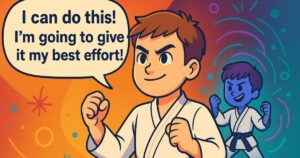
What Your Child Says to Themselves Matters More Than You Think
In my last post, I promised to dig deeper into something crucial for our kids’ development—self-talk.
Let’s be honest: some of the most dangerous things our children will ever hear… are the things they say silently to themselves.
➡️ “I’m not as pretty as Jane.”
➡️ “I’m stupid.”
➡️ “I’ll never get it right.”
These aren’t harmless throwaway lines—they’re seeds. And if those seeds are left unchallenged, they grow into limiting beliefs, unhealthy thought patterns, and low self-worth.
So what can we do?
As parents, we can’t just slap positive words on top of our children’s fears. Telling a child “You’re beautiful” when they’re feeling ugly doesn’t always work—especially if they don’t believe it.
We need to guide them toward truth-based confidence. Not flattery. Not lies. Just truth with love.
Let’s take a classic example:
👃 “I hate my nose.”
Now, we might be tempted to say:
“No you don’t! Your nose is tiny!”
But if they believe otherwise, this kind of response can feel fake or dismissive. Instead, try something like:
“Your nose might not be small, but it’s not too big either—it’s just right for your face. You know what I love about your nose? It crinkles when you laugh, and that laugh makes people around you feel good. That’s special.”
We’re not denying their feelings—we’re reframing them.
Here are a few more examples of how to turn self-criticism into self-belief:
🧠 Child says: “I’m stupid.”
👨👩👧👦 Parent replies:
“You’re not stupid—you just haven’t figured this out yet. Remember how hard reading was at first? Now you read like a champ. This is the same.”
👧 Child says: “I’m not as good as the other kids.”
👨👩👧👦 Parent replies:
“Maybe not yet—but you’re improving every day. And what makes you great isn’t being like everyone else—it’s being you.”
🏃 Child says: “I’m slow.”
👨👩👧👦 Parent replies:
“Maybe speed isn’t your thing—but you have something better. You never give up. That’s what champions do.”
These little mindset shifts are at the heart of why I developed Champions Character.
It’s not just about martial arts—it’s about mental strength, emotional awareness, and helping kids (and parents!) change their paradigms.
What are paradigms? They’re the lens we see the world through. And that lens determines everything—how we handle setbacks, how we view ourselves, and how we treat others.
I’ll dive deeper into paradigms in a future post, but for now, just remember this:
The story your child tells themselves becomes the story they live out.
So let’s help them write a good one.
And just for the record—if you’re a parent reading this thinking, “I’ve got my own negative self-talk”… welcome to the club. We all do. But that means you’re in the perfect position to model what self-love and growth really look like.
Plus, if your child ever says “My feet are weird”, just tell them:
“They’re not weird—they’re unique! And they smell like victory. At least after karate class…”
😅
— The Karate Kid Teacher
One More Thing
Character Comes First
Your child becomes like the people they spend time with.
Choose the tribe that builds them up. 💪